Investing in Royal Diamonds: A Wise Choice for Luxury Collectors
Purchasing royal diamonds provides a distinctive chance for luxury collectors. These gems possess both historical significance and the potential for financial appreciation. Their rarity and the stories behind them amplify their appeal. As the market evolves, understanding the elements impacting their value becomes essential. What strategies can collectors employ to navigate this niche investment landscape? The answers may redefine perceptions of luxury assets.
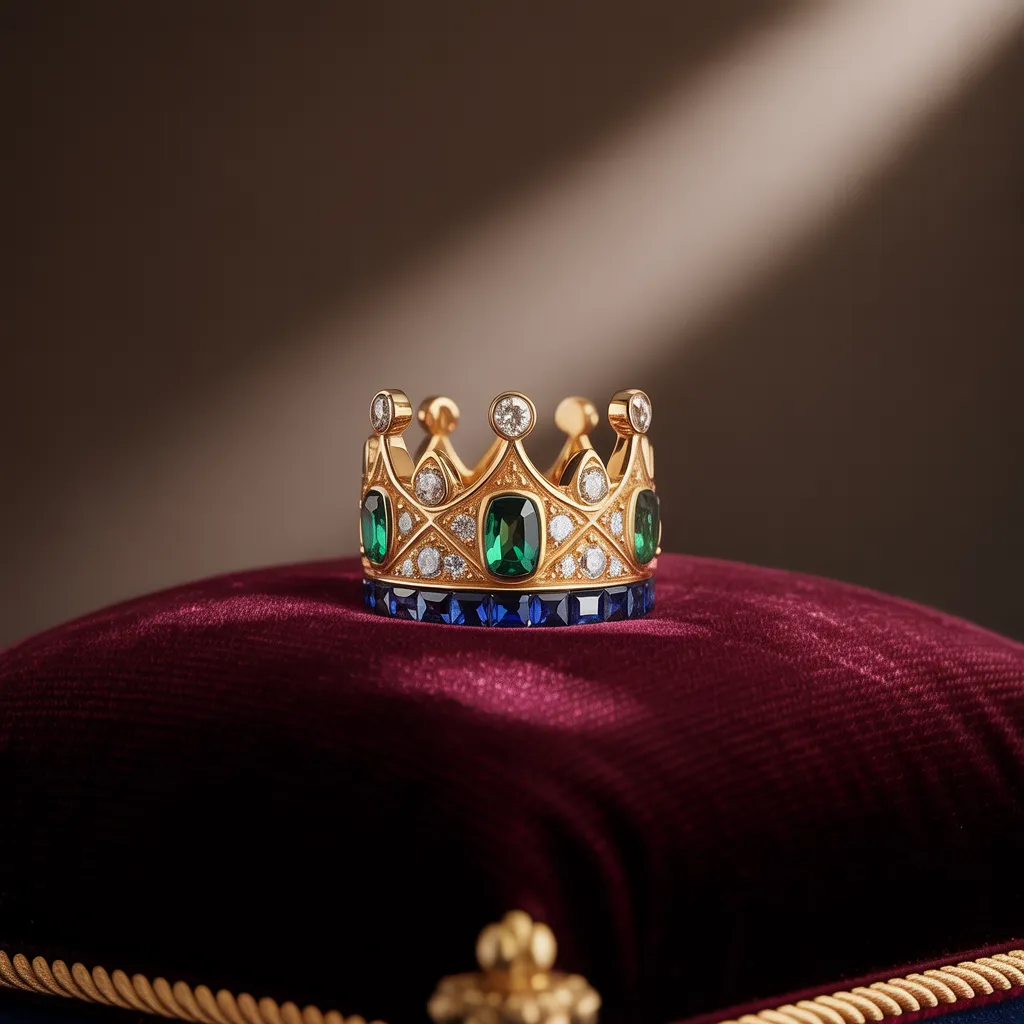
The Historic Importance of Royal Diamonds
While royal diamonds have entranced the imagination for centuries, their historic significance extends far beyond mere beauty. These gems have functioned as symbols of power, wealth, and influence throughout different cultures and eras. Many royal diamonds were intimately tied to important events, such as coronations, treaties, and ceremonies, thereby becoming integral to national identity and legacy.
For instance, the Koh-i-Noor diamond, originally from India, has a fascinating past featuring various rulers and empires before securing its place in the British crown jewels. In the same way, the Hope Diamond, with its vivid blue hue, holds legends of curses and misfortune, illustrating the captivating narratives that often accompany these exceptional stones.
These regal gems not only represent individual royal lineages but also showcase the artistic craftsmanship of their period, demonstrating the evolution of jewelry design throughout history. Thus, their significance goes beyond mere adornment, establishing them firmly in the annals of history.
Assessing the Worth of Royal Diamonds
The evaluation of royal diamonds encompasses a thorough approach that considers historical, cultural, and market elements. In historical terms, the provenance of a royal diamond can substantially enhance its value; diamonds with connections to royalty or notable figures often command higher prices. In cultural terms, the symbolism and significance attributed to these diamonds add layers of desirability, appealing to collectors and investors alike.
Additionally, the uncommon nature of particular royal diamonds contributes to their premium status in the luxury market. The distinctive characteristics of each stone, including cut, clarity, carat weight, and color, are crucial in determining value. Collectors frequently seek diamonds that exhibit exceptional craftsmanship and artistry, as these attributes elevate both artistic appeal and investment potential.
Eventually, the valuation process demands a comprehensive understanding of these varied elements, making sure that potential investors understand the intrinsic merit of royal diamonds in the broader context of luxury collectibles.
Variables Shaping the Luxury Diamond Industry
As the premium diamond sector advances, various factors serve a critical function in influencing demand and price points. Economic factors heavily influence consumer spending power; during prosperous times, luxury items often witness growing demand. Furthermore, fashion developments and celebrity backing can affect buyer enthusiasm, often leading to peaks in interest for particular diamond varieties, including royal diamonds.
Scarcity also impacts market value; exceptional stones with distinctive coloration or historical significance draw collectors and investors alike. The increase of ethical sourcing has transformed consumer preferences towards diamonds with transparent origins, driving brands to adapt their offerings.
Technological developments in diamond grading and marketing have strengthened transparency and education, allowing buyers to make educated decisions. Furthermore, global geopolitical considerations can impact supply chains and market stability, consequently affecting luxury diamond pricing. Combined, these influences create a dynamic market landscape for luxury diamonds, requiring careful consideration by potential investors.
Strategies for Investing in Royal Diamonds
Purchasing royal diamonds necessitates a strategic approach, especially given the unique factors that influence their market. Aspiring investors should emphasize authenticity and provenance; acquiring certified diamonds with documented histories can substantially enhance value. Additionally, understanding the four Cs—cut, color, clarity, and carat weight—is vital for evaluating quality and making informed purchases.
Investors must remain informed about market trends, as demand can vary based on economic factors and fashion trends. Engaging with credible dealers and visiting luxury auctions can full information provide valuable insights and opportunities. Furthermore, examining the scarcity and distinctive nature of specific diamonds can generate enhanced investment returns.
Lastly, it is wise to preserve a diverse portfolio that contains different types of luxury assets, as this can minimize risk. By following these guidelines, investors can navigate the challenges of the royal diamond market more effectively and optimize their investment potential.
Royal Diamonds as an Investment: The Future Outlook
What does the future hold for royal diamonds as an investment in the years ahead? Experts predict a growing interest in royal diamonds driven by increasing demand among luxury collectors and investors. With ongoing economic instability, physical assets such as royal diamonds are expected to become more attractive, functioning as protection against inflation and market fluctuations.
The uncommon nature and historical value of royal diamonds may further enhance their value. Moreover, technological innovations may optimize the authentication and grading processes, making it easier for prospective buyers to evaluate their worth. Sustainability also serves a vital function; ethically sourced stones may gain greater demand, corresponding to consumer values.
Furthermore, the emergence of online platforms for trading luxury assets could facilitate wider access to royal diamonds, attracting a new generation of investors. In general, the future of royal diamonds as an investment appears promising, merging tradition with modern investment strategies.
Frequently Asked Questions
Which Royal Diamonds Are the Most Famous in History?
Notable historical royal diamonds include the Koh-i-Noor, the Hope Diamond, the Cullinan Diamond, and the Dresden Green Diamond. Every one possesses exceptional histories and qualities, adding to their prestigious position in royal and cultural heritage.
Can Royal Diamonds Be Insured?
Yes, royal diamonds can be insured. Coverage options exist to safeguard these precious gems against loss, theft, or damage, typically requiring appraisals to evaluate their value and guarantee adequate coverage for enthusiasts.
How Can I Care for My Royal Diamond?
To look after a royal diamond, one should clean it frequently with a soft cloth, steer clear of harsh chemicals, and store it separately to stop scratches. Periodic professional inspections help ensure its brilliance and integrity remain intact.
Are Replica Royal Diamonds Obtainable?
Replica royal diamonds can indeed be found in the market. These imitations can vary in quality and appearance, often designed to mimic the real stones while providing a more economical option for individuals who value the visual appeal without the significant expense.
What Makes Royal Diamonds Different from Other Luxury Investments?
Royal diamonds frequently provide greater rarity and historical significance when contrasted with other luxury investments, such as art or watches. Their unique characteristics can produce higher appreciation potential, drawing collectors seeking exclusive assets in a competitive market.